Measure the real demand
Build a baseline from interval load, PV output and tariffs; distinguish energy charges from peak-demand charges.
C&I / Commercial & industrial
Scalable battery and controls architecture built around tariffs, peaks, production schedules and expansion.
01 / Commercial & industrial
Start with your actual energy needs. These are design pathways; site conditions determine equipment, capacity and functions.
System configuration / 01
Shift midday solar surplus to evening operations or expensive periods. First verify surplus and demand against interval data.
Discuss this configurationValue depends on tariffs, export compensation, operating hours and dispatch windows.
02 / SYSTEM LOGIC
SYSTEM FLOW / CONCEPT
Explain the solution by operating state, not just equipment. The key questions: how it charges by day, supplies at night, and protects loads during local or citywide outages.
Serve loads first, charge surplus
Defines safe transfer
Use power by operating strategy
Day: solar serves loads first; surplus charges storage or exports where permitted.
Provides local generation where the site supports it.
Battery, BMS and thermal systems manage stored energy.
Converts between battery DC and site AC power.
Schedules charging around tariffs, loads and reserves.
Measures import/export and defines grid protection.
Functional overview · wiring, protection and equipment follow the project design.
Build a baseline from interval load, PV output and tariffs; distinguish energy charges from peak-demand charges.
EMS schedules the PCS while respecting temperature, state of charge, power limits, backup reserve and grid constraints.
Compare solar consumption, peaks and losses against the baseline, accounting for production and tariff changes.
Prepare 12 months of bills and available 15/30-minute load data, noting shutdowns, peaks and seasonality.
Review transformer headroom, fault levels, earthing, communications, access and fire separation against local requirements.
Compare equipment, design, installation, connection, service and replacement assumptions, with explicit capacity and warranty conditions.
Configuration & evidence
Retail & offices: use more solar Shift midday solar surplus to evening operations or expensive periods. First verify surplus and demand against interval data. Rooftop PV + battery cabinet + PCS + meter + EMS Value depends on tariffs, export compensation, operating hours and dispatch windows.
Factories: manage demand peaks Identify peaks from production starts, compressors or charging, then dispatch storage around the utility demand-measurement interval. Modular BESS + bidirectional PCS + site EMS + demand metering Demand charges, peak duration and available battery energy determine results; payback is site-specific.
Sites & charging: phased growth Coordinate charging, building loads and battery discharge at capacity-constrained sites, with phased upgrades for new demand. Storage + managed charging + distribution monitoring + EMS Storage buffers finite peaks; it cannot replace a persistently undersized supply.
Load & tariff: Prepare 12 months of bills and available 15/30-minute load data, noting shutdowns, peaks and seasonality.
Site & electrical connection: Review transformer headroom, fault levels, earthing, communications, access and fire separation against local requirements.
Economics & scope: Compare equipment, design, installation, connection, service and replacement assumptions, with explicit capacity and warranty conditions.
SYSTEM FLOW / CONCEPT
Explain the solution by operating state, not just equipment. The key questions: how it charges by day, supplies at night, and protects loads during local or citywide outages.
Serve loads first, charge surplus
Defines safe transfer
Use power by operating strategy
Day: solar serves loads first; surplus charges storage or exports where permitted.
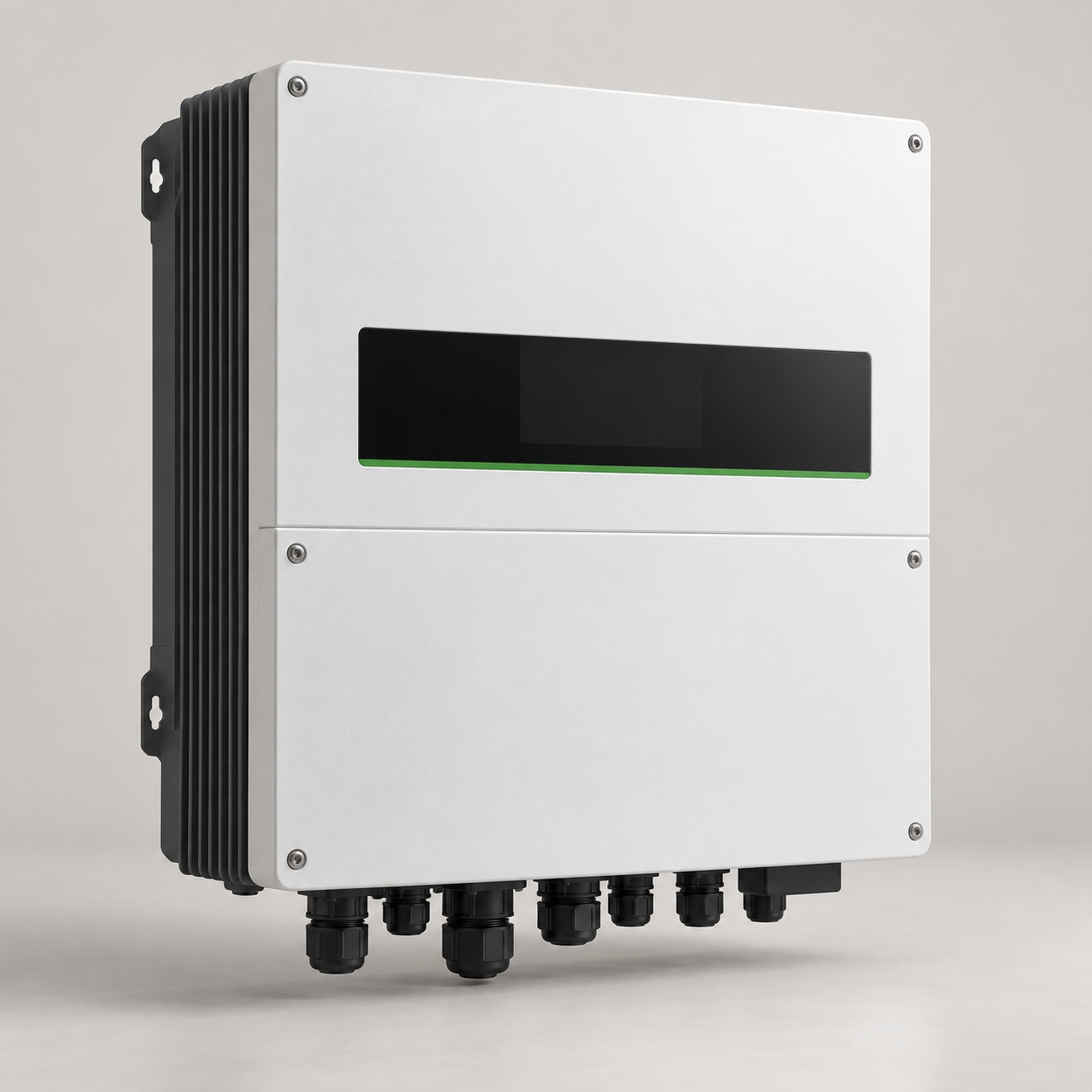
LoadStor / 10–15 kW Three-phase
10–15 kW storage inverters for three-phase grid-tied and off-grid applications, supporting 48 V batteries and dual MPPT inputs.
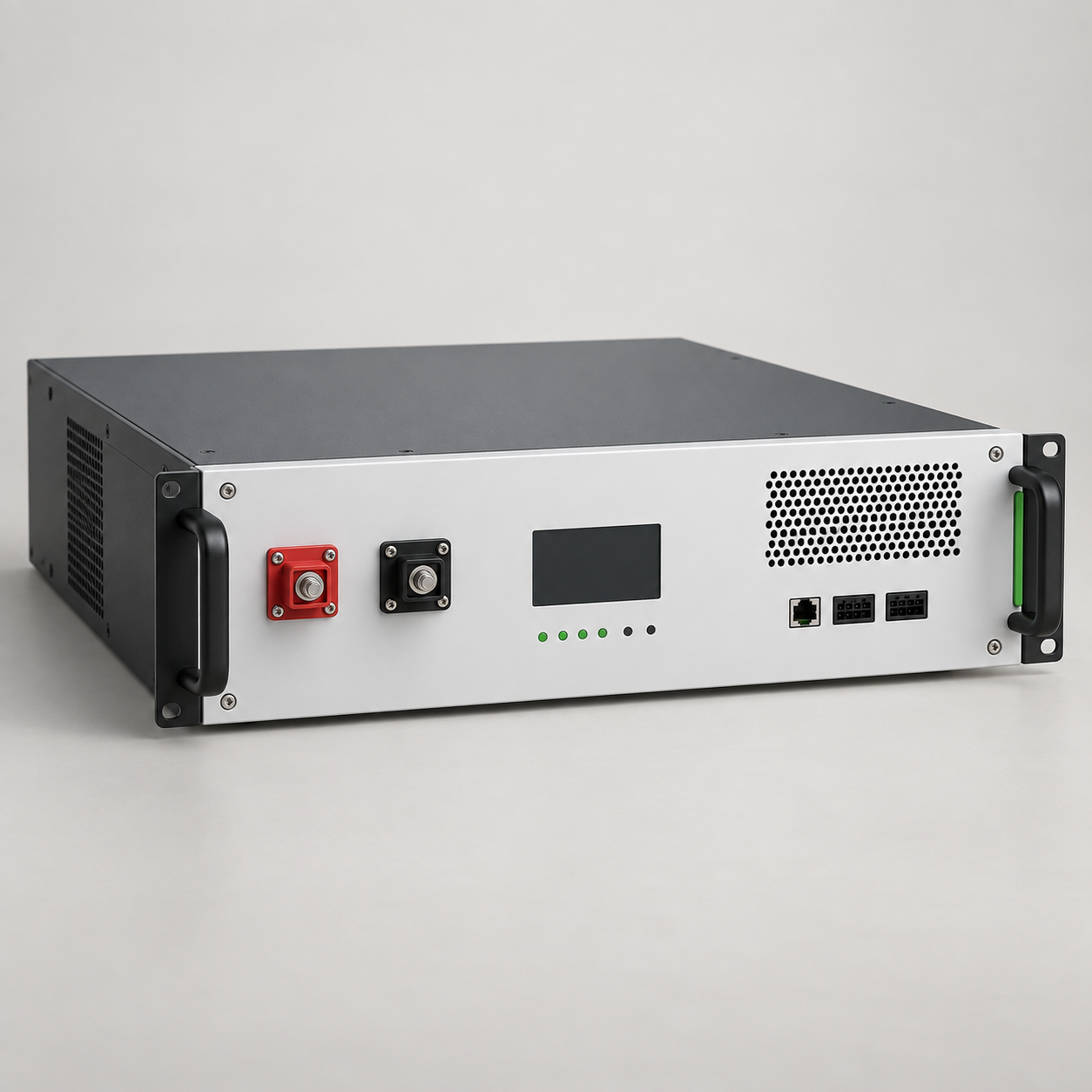
LoadStor / 51.2V 314Ah Rack
Large-capacity rack battery using 314 Ah LFP cells, supporting high-current charge/discharge and parallel expansion.
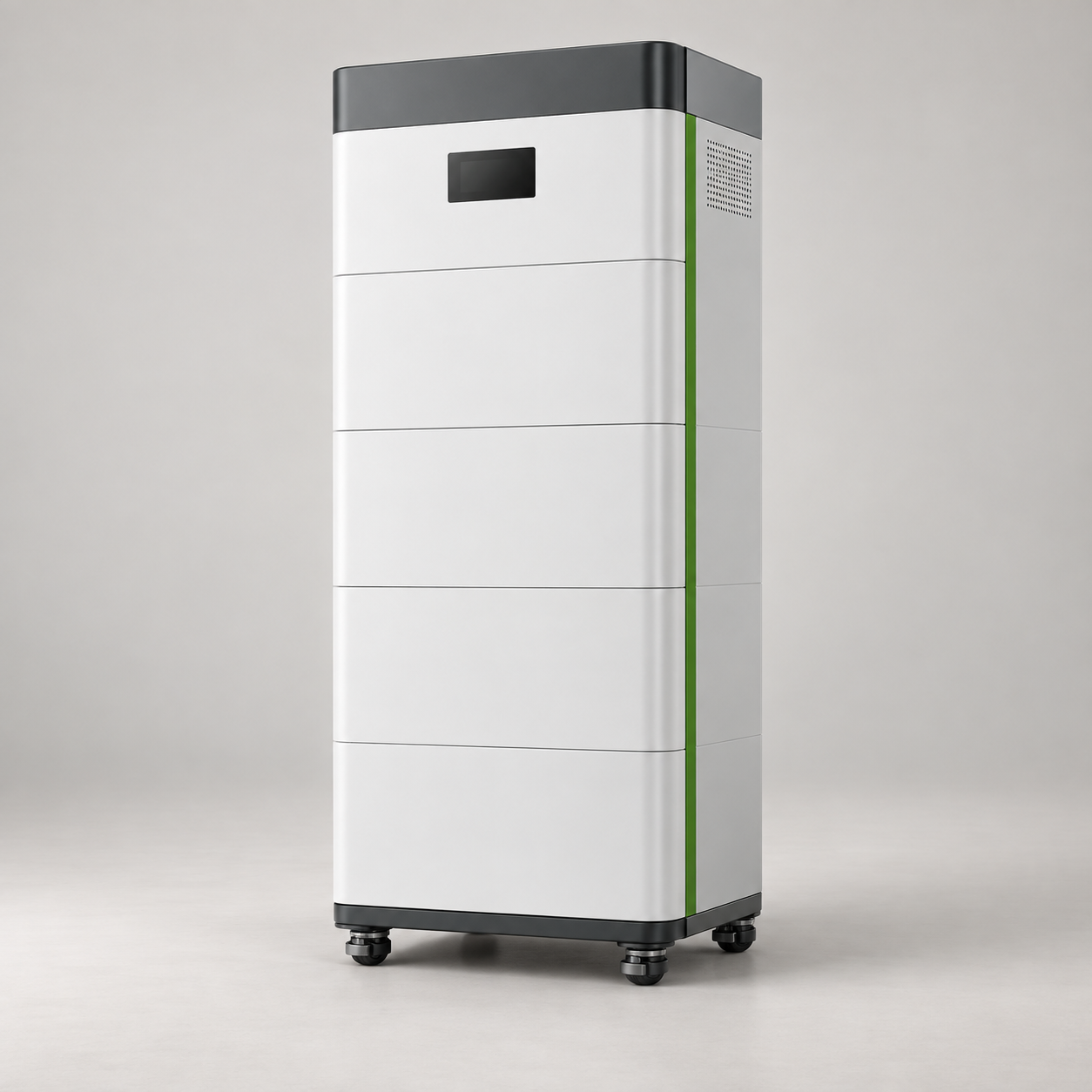
LoadStor / 51.2V 314Ah Floor
51.2 V, 314 Ah floor-standing LFP battery with display interface for residential and small commercial storage.
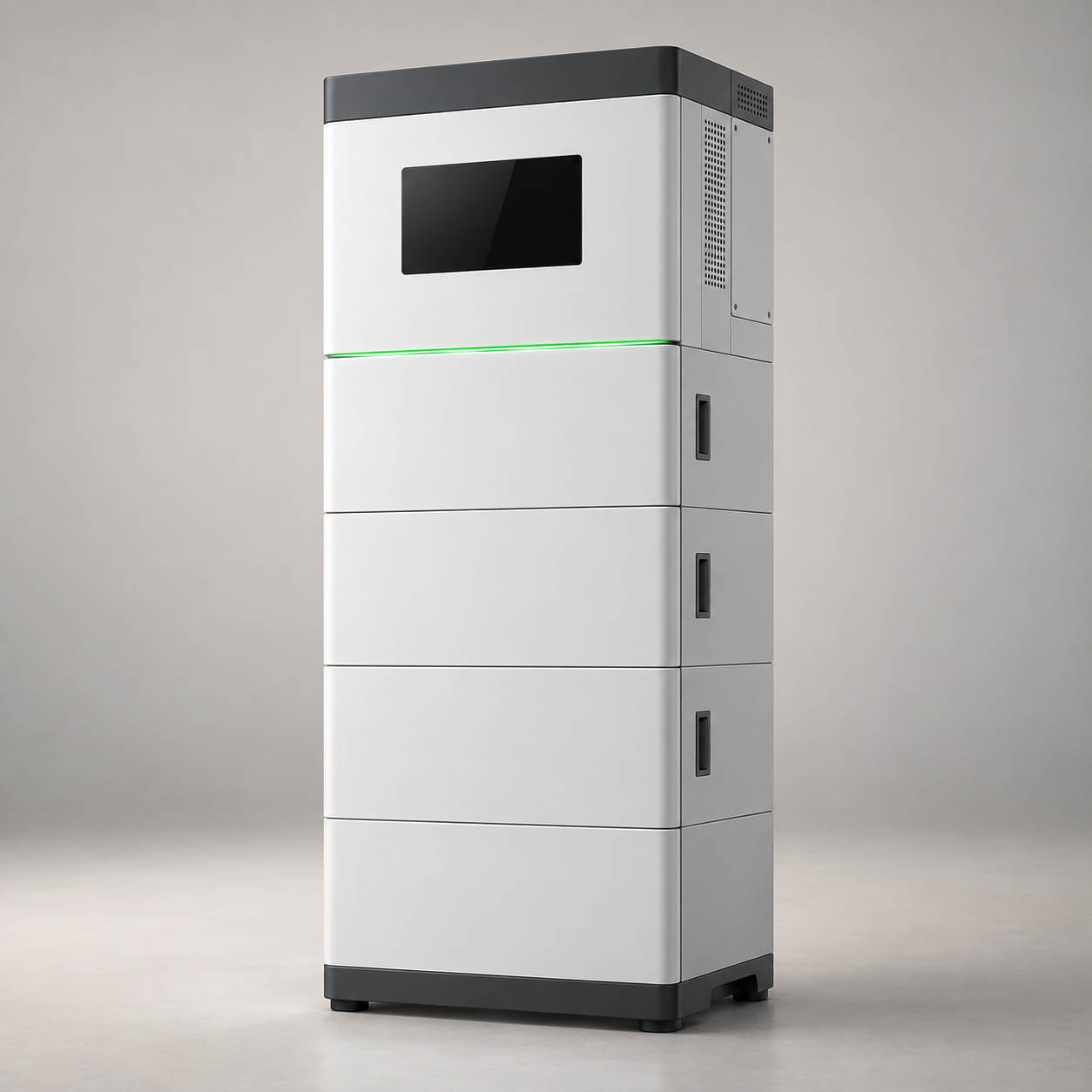
LoadStor / 6.5–12 kW All-in-one
51.2 V all-in-one storage systems for villas, off-grid homes and small commercial sites, covering 16–32 kWh capacity.
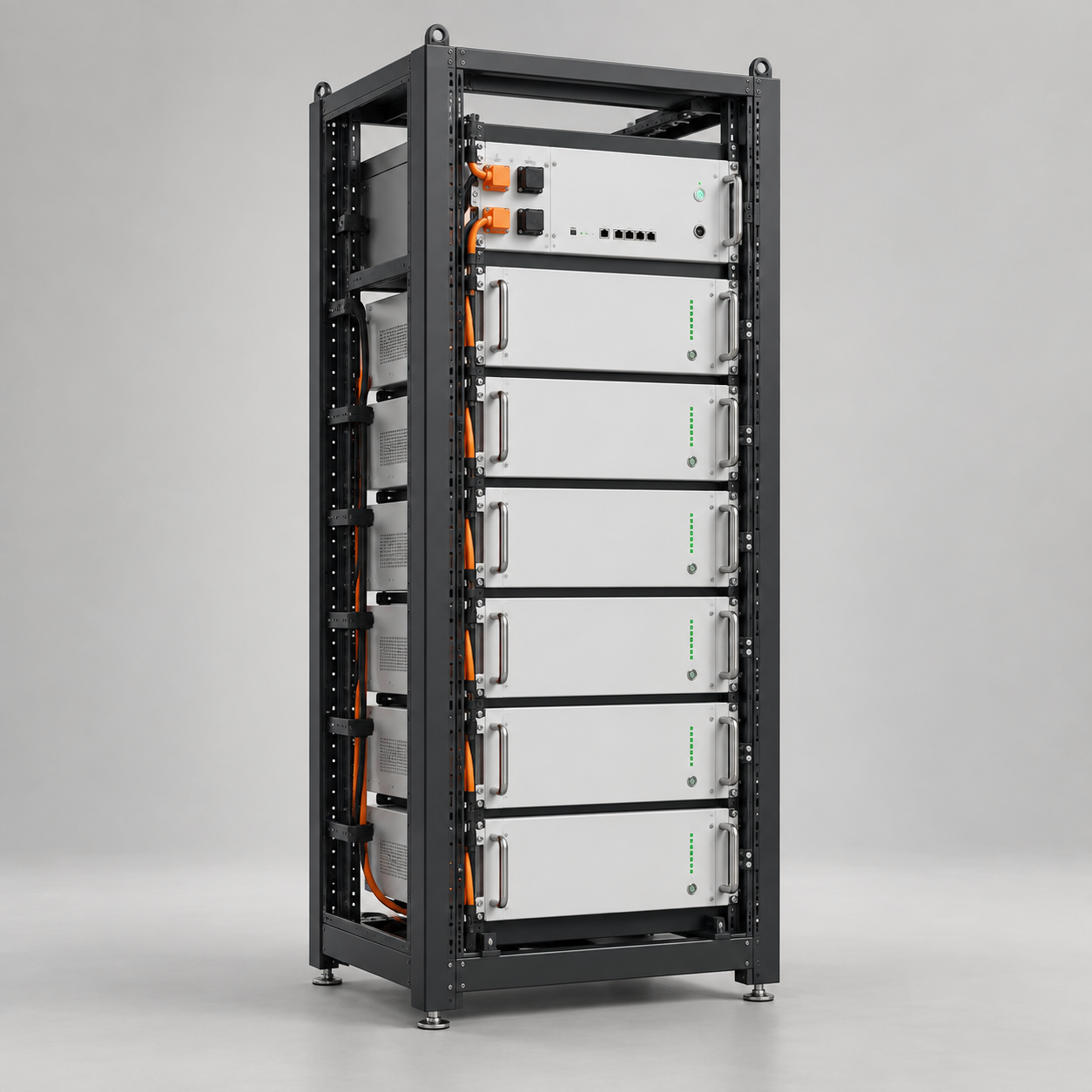
LoadStor / 204.8–716.8 V HV Rack
High-voltage rack-mounted storage batteries based on 280 Ah or 314 Ah cells, covering approximately 57–225 kWh.
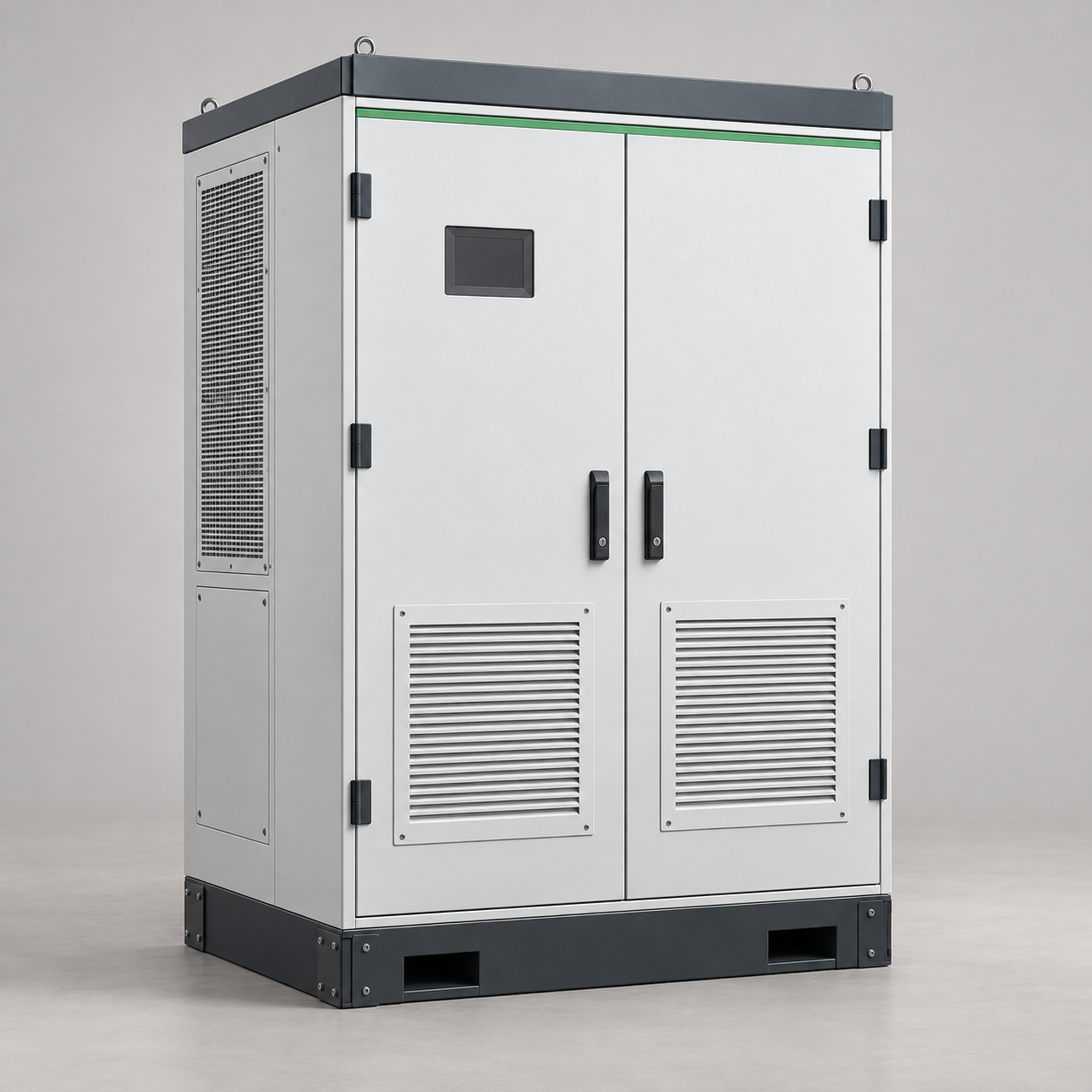
LoadStor / 64–241 kWh C&I ESS
C&I storage cabinets integrating high-voltage battery, BMS and PCS, covering 64–241 kWh energy levels.
LoadStor / DELIVERY
Record location, bills, loads, outages and expansion plans in a reviewable requirements brief.
Agree the single-line diagram, compatibility, sizing basis, operating strategy, scope and assumptions.
Test protection, communications, charge/discharge, backup transfer and recovery within the agreed scope; retain records.
Hand over as-built records, warranties, training, alarm procedures and maintenance plans; service scope is contract-specific.
05 / FAQ
No. Where permitted, storage can charge from the grid for tariff or demand management. Without suitable spreads, peaks or resilience needs, economics may be weak.
Not by itself. Island operation, transfer protection and load priorities need separate design, with PCS and duration verified.
Project intake
A concise brief is enough. Your submission is stored securely and assigned a reference ID for follow-up.