Day: use solar, store surplus
PV supplies the home through the inverter; remaining energy is stored or exported according to battery state and local rules.
RES / Residential
A coordinated solar and storage system that raises self-consumption and keeps priority circuits available.
01 / Residential
Start with your actual energy needs. These are design pathways; site conditions determine equipment, capacity and functions.
System configuration / 01
Use solar at home during the day and store surplus for the evening. Suits households seeking greater self-consumption and less grid electricity.
Discuss this configurationGrid-connected storage does not automatically provide backup. Backup requires isolation, transfer equipment and designed circuits.
02 / SYSTEM LOGIC
SYSTEM FLOW / CONCEPT
Explain the solution by operating state, not just equipment. The key questions: how it charges by day, supplies at night, and protects loads during local or citywide outages.
Serve loads first, charge surplus
Defines safe transfer
Use power by operating strategy
Day: solar serves loads first; surplus charges storage or exports where permitted.
Produces electricity as sunlight allows.
Coordinates solar, batteries and household AC power.
Stores energy; BMS monitors cells and protection limits.
Charges within vehicle, site and energy limits.
Monitors flows, backup reserve and schedules.
Functional overview · wiring, protection and equipment follow the project design.
PV supplies the home through the inverter; remaining energy is stored or exported according to battery state and local rules.
The battery supplies selected demand. Tariff optimisation respects backup reserve; the same energy cannot serve both at once.
Only a backup-enabled design can do this. Solar charging during outages depends on inverter capability, controls and available battery charge.
List running power, starting peaks and phase allocation. A monthly bill alone cannot size an inverter.
Average backup load × duration gives load-side energy. Account for usable capacity, losses, reserve, temperature and ageing.
Share existing PV inverter, meter and switchboard details to assess AC/DC coupling, battery communication and space.
Configuration & evidence
Everyday solar & storage Use solar at home during the day and store surplus for the evening. Suits households seeking greater self-consumption and less grid electricity. PV + compatible inverter + battery + metering Grid-connected storage does not automatically provide backup. Backup requires isolation, transfer equipment and designed circuits.
Backup for essential circuits Prioritise lighting, refrigeration, connectivity and selected sockets. Define what must run before deciding how long it should run. Solar-storage + backup transfer + essential-load panel Check motor starting currents and single/three-phase supply. Whole-home backup requires additional power and capacity.
Solar, storage & EV charging Schedule EV charging around solar surplus or tariffs after household demand and backup reserve, with limits on total site demand. Home storage + controllable charger + home energy management Confirm charger protocols, driving schedules and service capacity. Vehicle-to-home is a separate capability requiring verification.
kW: simultaneous load: List running power, starting peaks and phase allocation. A monthly bill alone cannot size an inverter.
kWh: required duration: Average backup load × duration gives load-side energy. Account for usable capacity, losses, reserve, temperature and ageing.
Compatibility: new or retrofit: Share existing PV inverter, meter and switchboard details to assess AC/DC coupling, battery communication and space.
SYSTEM FLOW / CONCEPT
Explain the solution by operating state, not just equipment. The key questions: how it charges by day, supplies at night, and protects loads during local or citywide outages.
Serve loads first, charge surplus
Defines safe transfer
Use power by operating strategy
Day: solar serves loads first; surplus charges storage or exports where permitted.
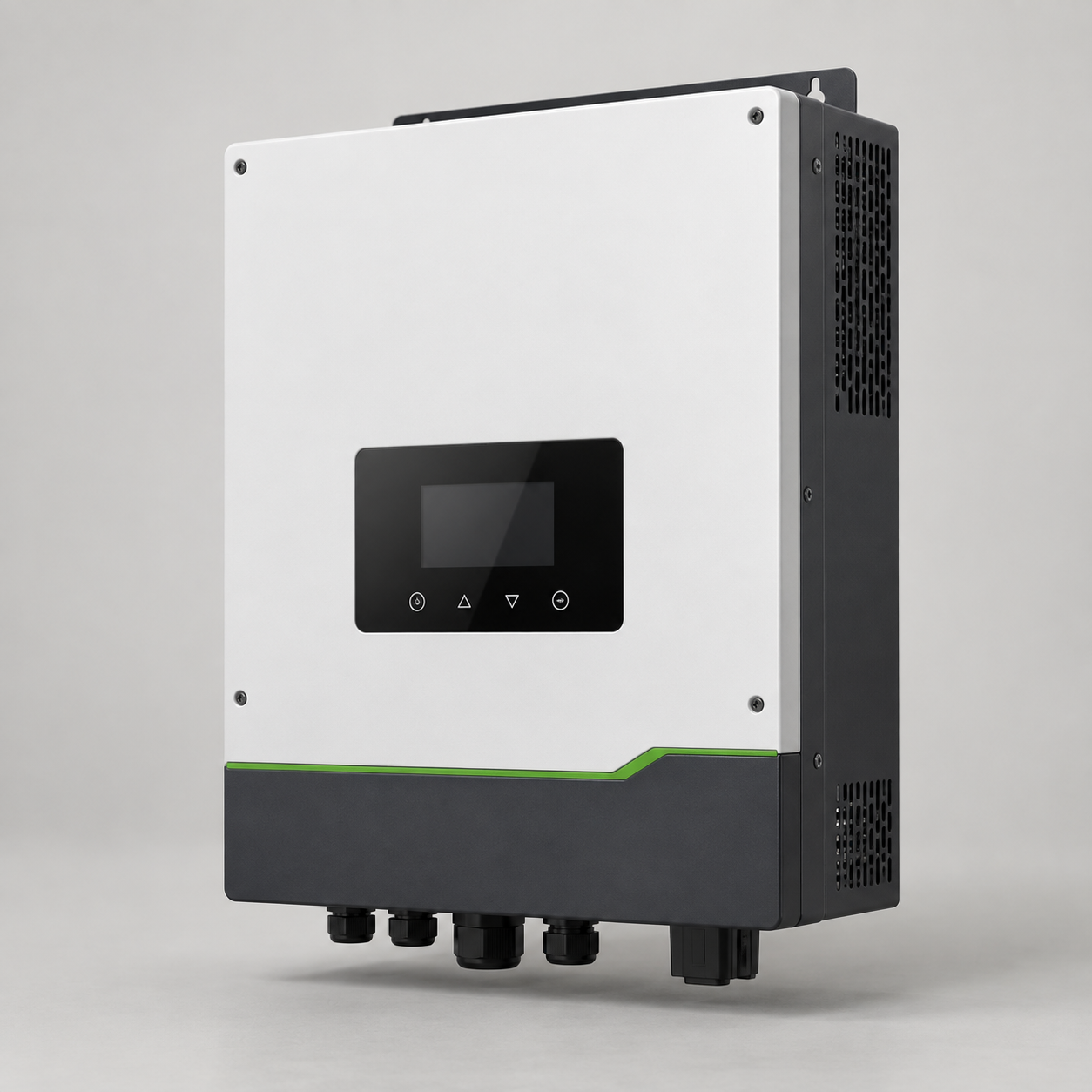
LoadStor / SMH Series
Integrated inverter and MPPT controller platform for homes and small off-grid systems, covering the 1.2–12 kW power range.
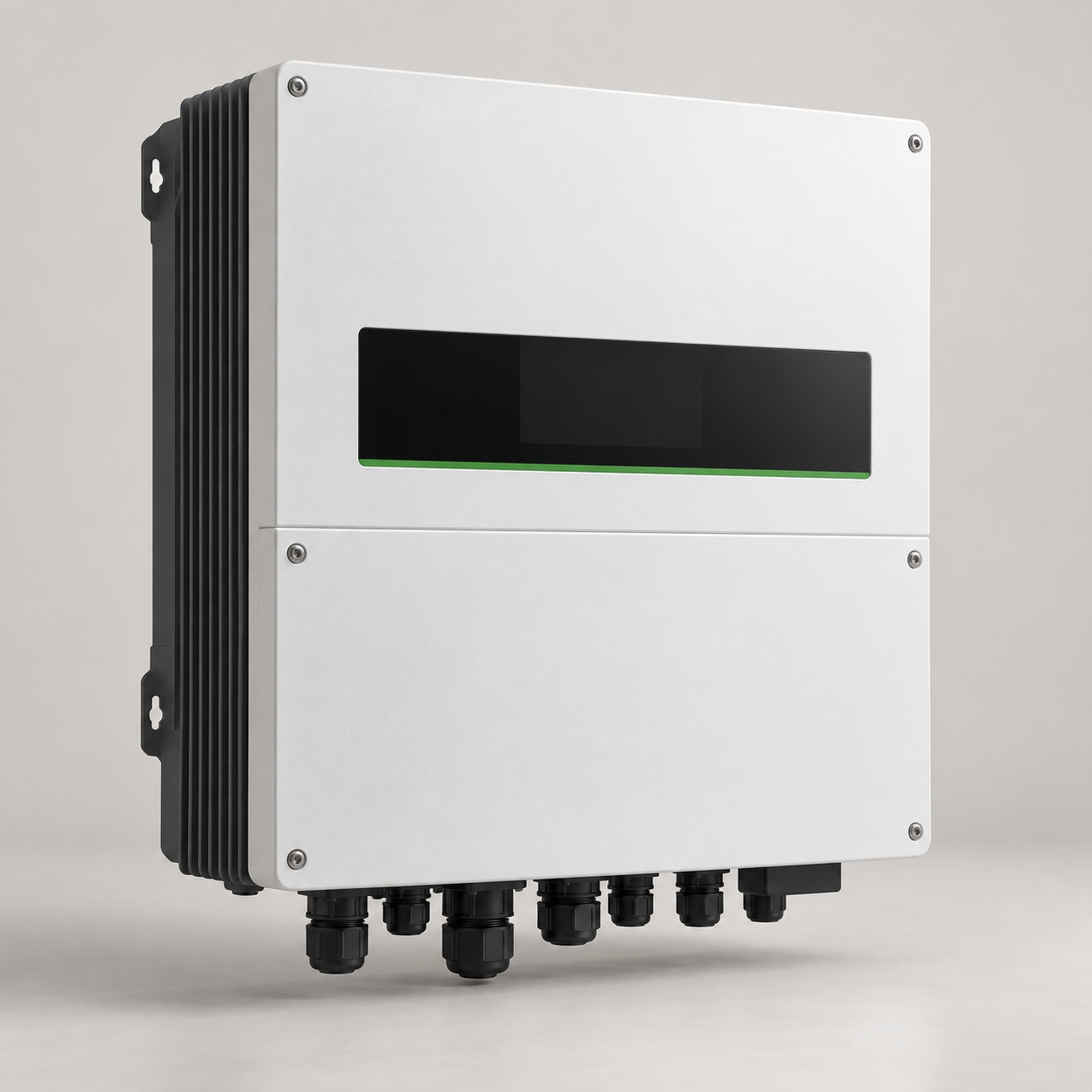
LoadStor / 10–15 kW Three-phase
10–15 kW storage inverters for three-phase grid-tied and off-grid applications, supporting 48 V batteries and dual MPPT inputs.
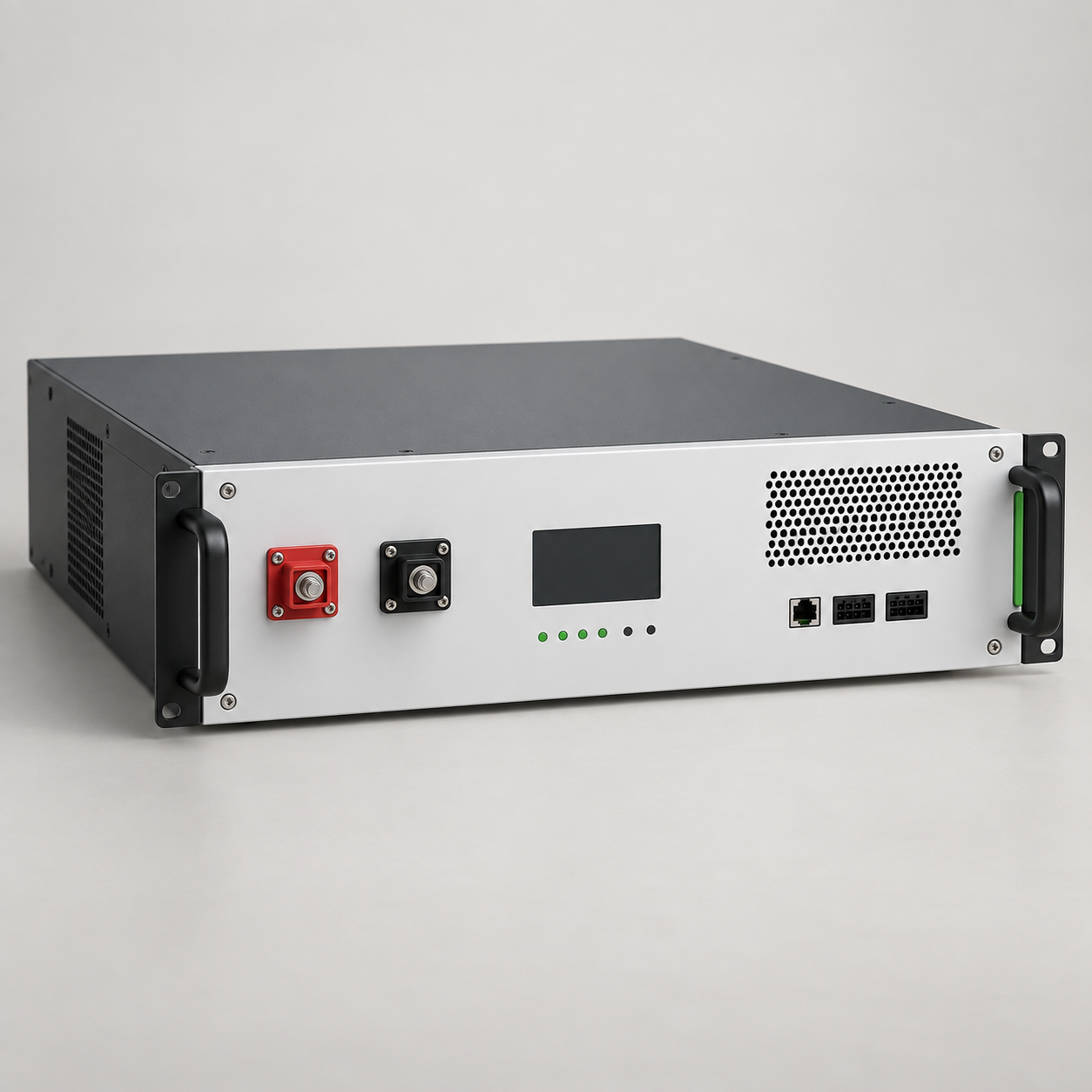
LoadStor / 51.2V 100Ah Rack
51.2 V, 100 Ah LFP rack battery for residential storage and small backup systems.
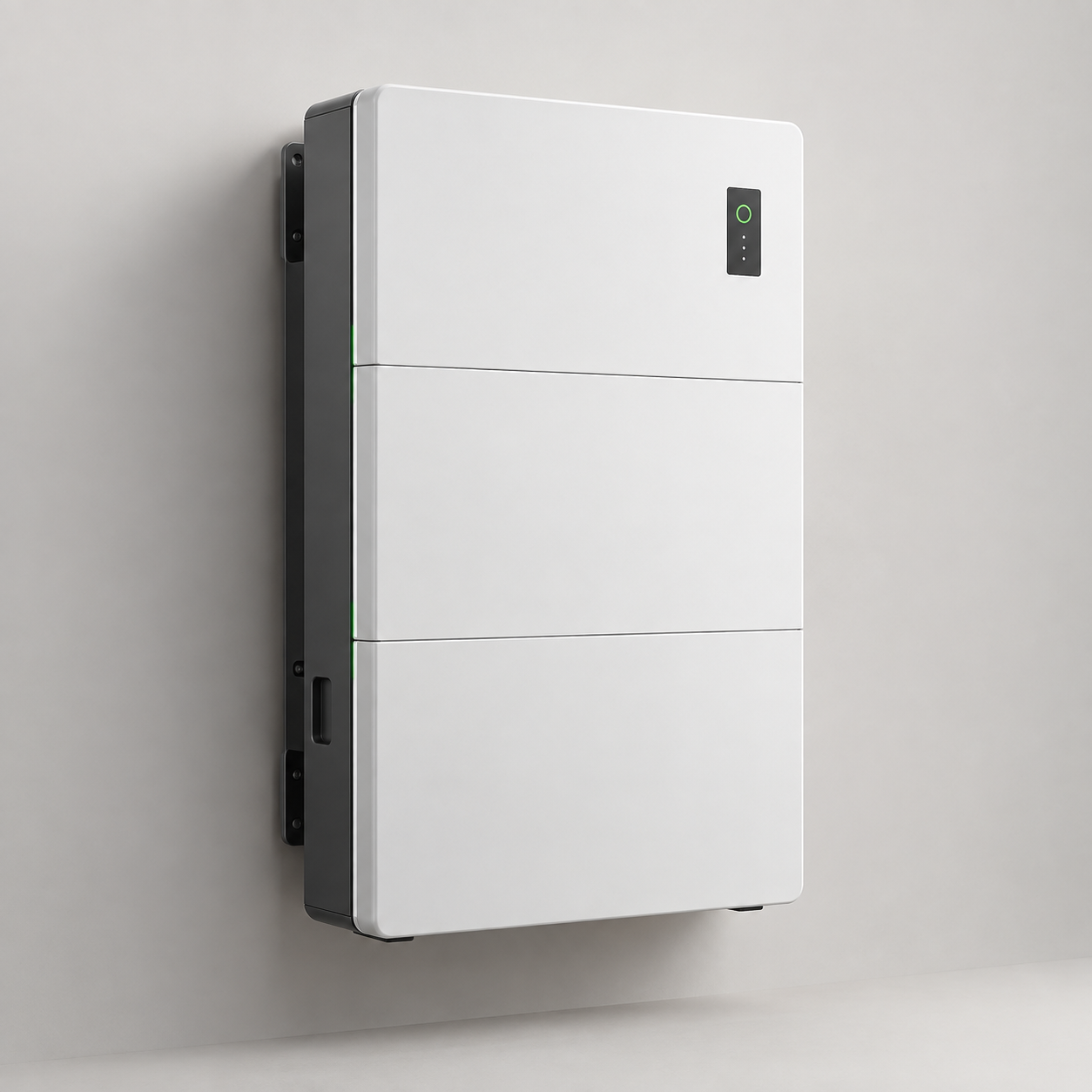
LoadStor / 51.2V 100Ah Wall
Space-saving 51.2 V, 100 Ah LFP wall battery with parallel expansion and multi-protocol communication.
LoadStor / 51.2V 314Ah Rack
Large-capacity rack battery using 314 Ah LFP cells, supporting high-current charge/discharge and parallel expansion.
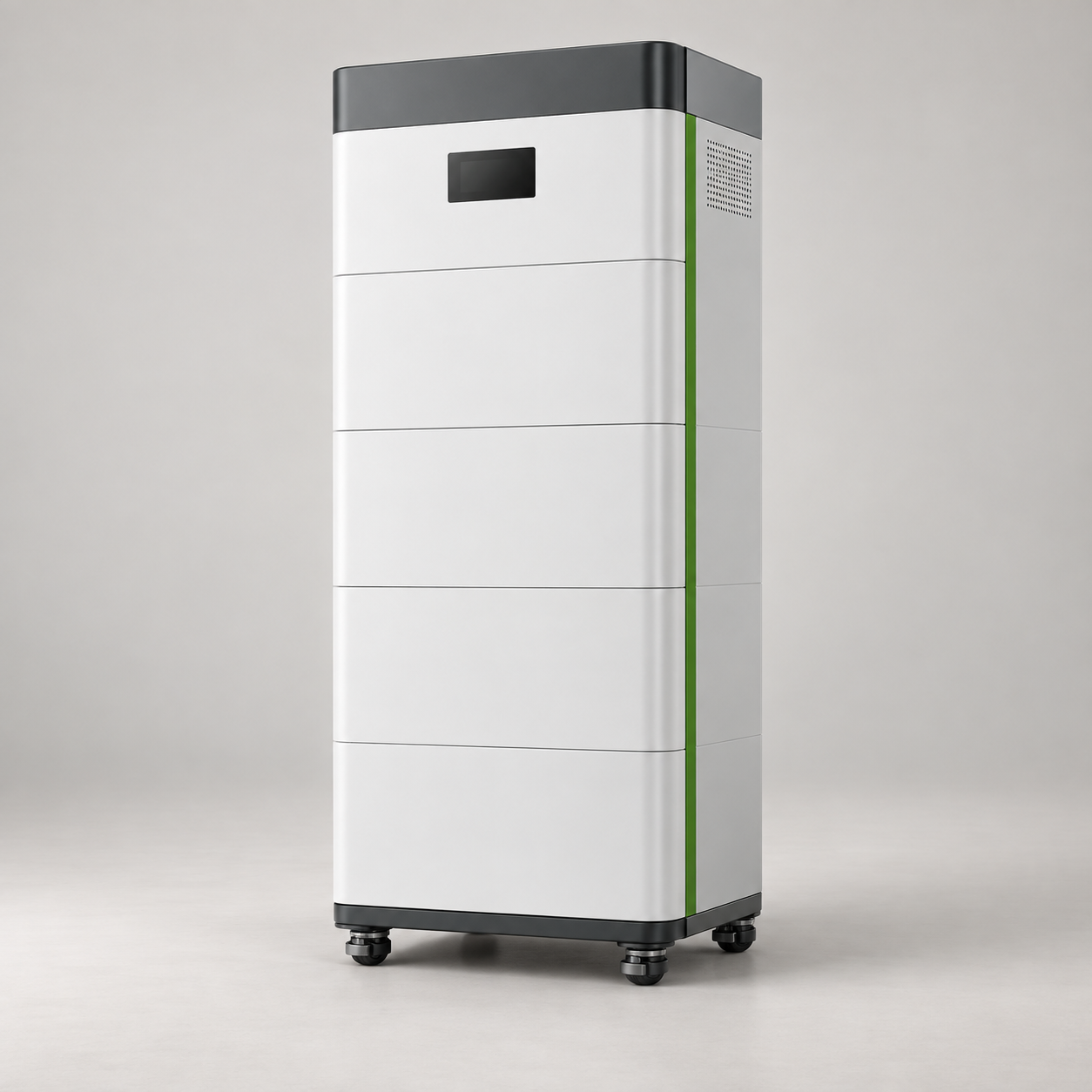
LoadStor / 51.2V 314Ah Floor
51.2 V, 314 Ah floor-standing LFP battery with display interface for residential and small commercial storage.
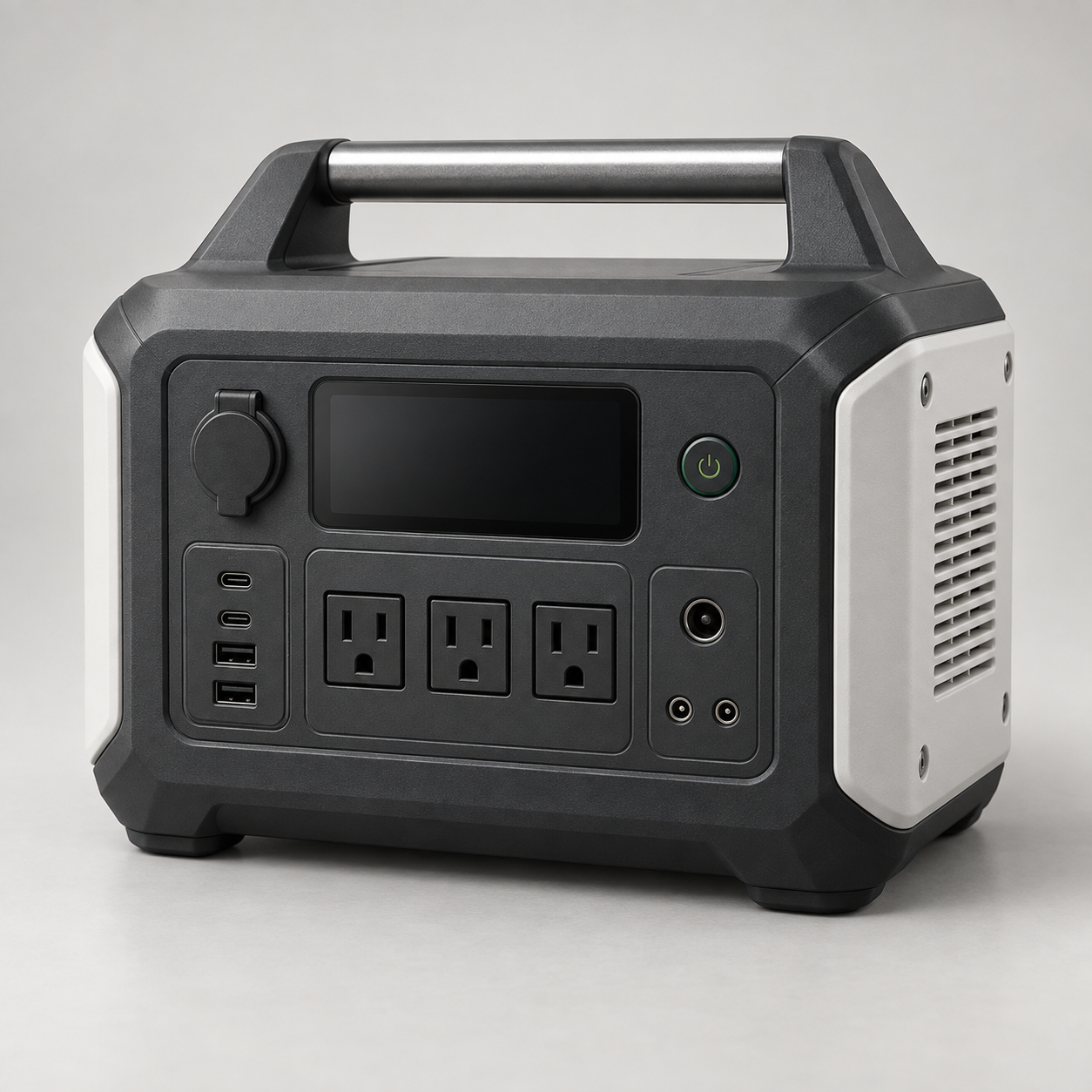
LoadStor / 300–1000 W Portable
Portable LFP power stations covering 300 W, 500 W and 1000 W, supporting AC and solar charging.
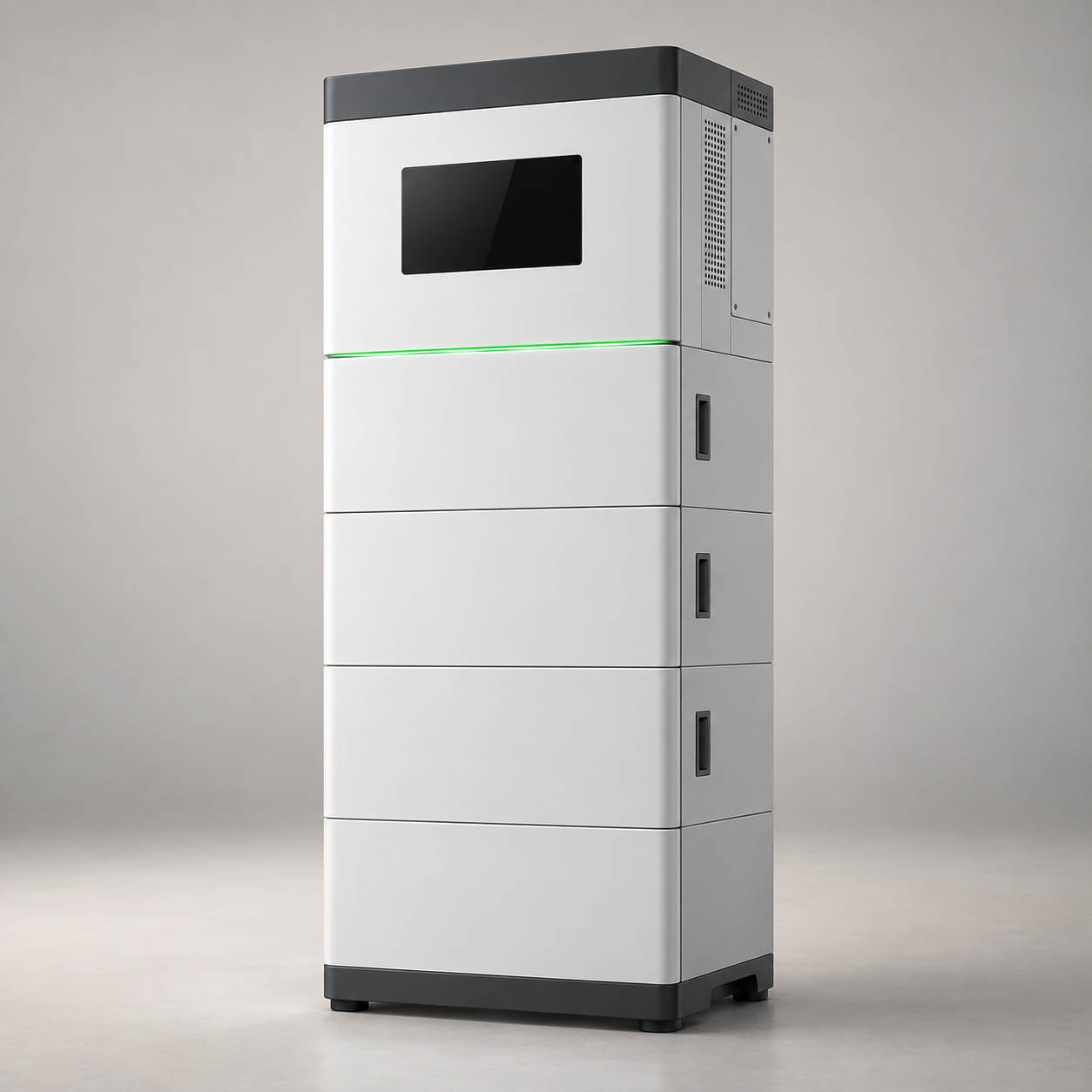
LoadStor / 3.6 kW All-in-one
3.6 kW residential all-in-one system integrating inverter, MPPT and LFP battery, available in 5.12 and 8.038 kWh capacities.
LoadStor / 6.5–12 kW All-in-one
51.2 V all-in-one storage systems for villas, off-grid homes and small commercial sites, covering 16–32 kWh capacity.
LoadStor / DELIVERY
Record location, bills, loads, outages and expansion plans in a reviewable requirements brief.
Agree the single-line diagram, compatibility, sizing basis, operating strategy, scope and assumptions.
Test protection, communications, charge/discharge, backup transfer and recovery within the agreed scope; retain records.
Hand over as-built records, warranties, training, alarm procedures and maintenance plans; service scope is contract-specific.
05 / FAQ
Not necessarily. Conventional grid-tied inverters normally stop during grid failure. Outage supply needs island-capable equipment, isolation protection and a verified backup design.
It depends on permitted parallel units, expansion windows, firmware and battery matching. Document the expansion path at initial design.
It can be assessed, but requires worst-season generation, prolonged low-solar periods, future loads and backup generation to be modelled. Occasional backup and year-round off-grid operation are different requirements.
Project intake
A concise brief is enough. Your submission is stored securely and assigned a reference ID for follow-up.